
The electrical systems in the industrial settings have large loads to power the different operations. As the heavy motors, CNC machines and overhead cranes draw large amount of current, there is a considerable drop in voltage. And when they shut off, there is a spike for a moment. This momentary spike and drop are the reason why many electrical faults occur in the industry. To deal with these, businesses rely on the industrial voltage stabilizer manufacturers. The manufacturers make devices that fit with the dynamic conditions of the industries. By maintaining voltage, these pieces of equipment safeguard the industrial machines from breakdown and damages.
Voltage Stabilizer Types Used in The Industries
Voltage stabilizers have evolved over the years based on the working mechanism, construction and correction method. Below are the two major types of stabilizers used in the industry.
Servo Voltage Stabilizer
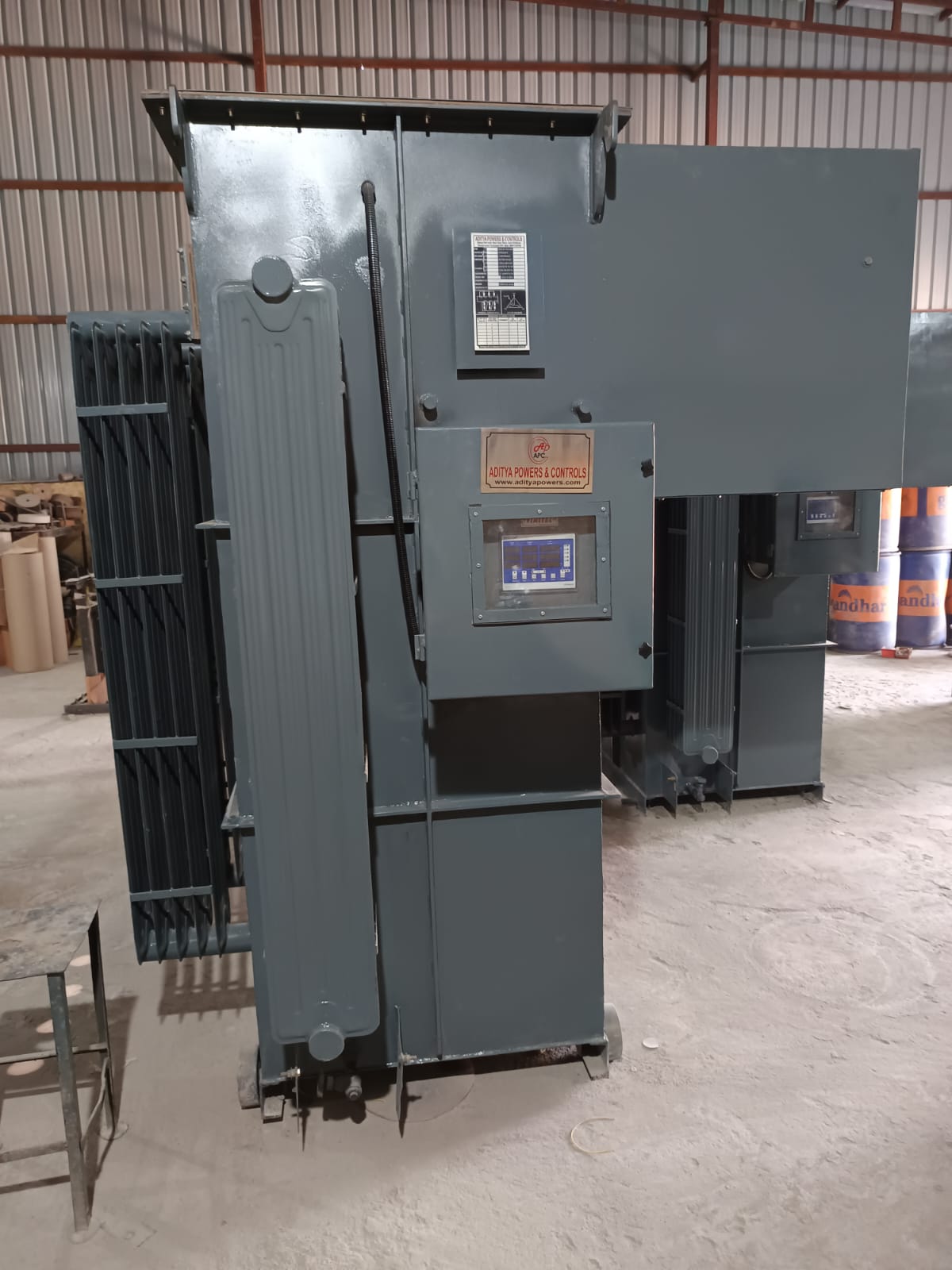
A servo voltage stabilizer regulates the input voltage from the grid using the combination of servo motor, rolling contact brush, auto transformer, and buck boost transformer. This is known for its ultra high response time and energy efficiency.
Automatic Voltage Stabilizer
An automatic voltage stabilizer (AVS) works on the relay based switching. It continuously monitors the input voltage and corrects the deviations automatically. In the industrial frameworks, a high tension AVS is used because of high capacity needs.
How The Stabilizers Work
Both the servo motor-based and automatic stabilizer have the same objective, which is to maintain the supply voltage within the stable range for the load. However, their working mechanism differs.
Working of Servo Stabilizer
In a servo voltage stabilizer, a control circuit senses the deviations in the incoming voltage. It then activates the servo motor, which moves the rolling contact or carbon brush over the windings of the autotransformer. The buck-boost transformer injects an appropriate compensating voltage in series with the preset voltage to fill the gap between the incoming deviated voltage and the preset voltage.
Working of Automatic Stabilizer
In an automatic voltage stabilizer, the relay switches between the different transformer taps to compensate for the lack or excess of the voltage being supplied to the load. During the overvoltage, it switches to the tap that reduces the voltage, while during voltage drop, it switches to the tap that increases the voltage.
Conclusion
Voltage in the industries is often high-tension, extending beyond 6.6 KV. Thus, it is important to select the voltage stabilizer with the right capacity. Based on the electricity phase, response time of stabilizer, output accuracy, and power capacity, the right stabilization device should be chosen. To match their application requirements, the buyers must consult with the top industrial voltage stabilizer manufacturers like Aditya Powers & Controls. We are a standard-certified manufacturer that produces a wide variety of stabilizers for medium to high tension industrial units.
FAQs
Fluctuating voltage can occur due to the rise and fall of incoming voltage instead of a steady power supply because of heavy appliances, short circuits or problems in the supply grid.
A servo voltage stabilizer is one of the fastest voltage correction devices, with a response time lying between 10 and 50 milliseconds.
An automatic voltage stabilizer has all the capabilities to provide regulated voltage to the industrial loads.
Our three-phase servo stabilizer ranges between 10 and 2500 kVA and even higher based on the client’s requirements.